- Browse Categories
- Paulownias seeds
- Paulownias roots
- Paulownias stumps
- Contact Us
-
Heze Fortune International Co., Ltd
Add: 699, Caozhou Road, Heze, Shandong, China
Tel: +86-530-5337752
Fax: +86-530-5337750
Mob: +86-13508986764
+86-18366003934
+86-18265096516
Mail: chen@fortunewoods.com
http://fortunewoods.com http://fortunewood.cn
Contact Now
- Subscribe
-
Get email updates on new products
- Share
- Main Products
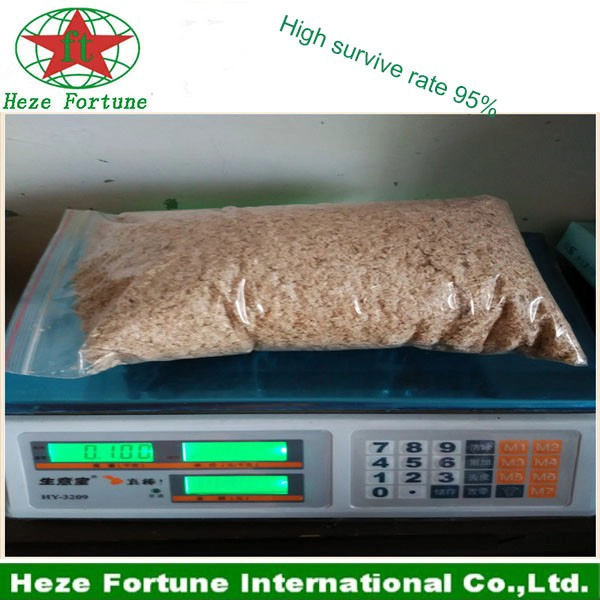
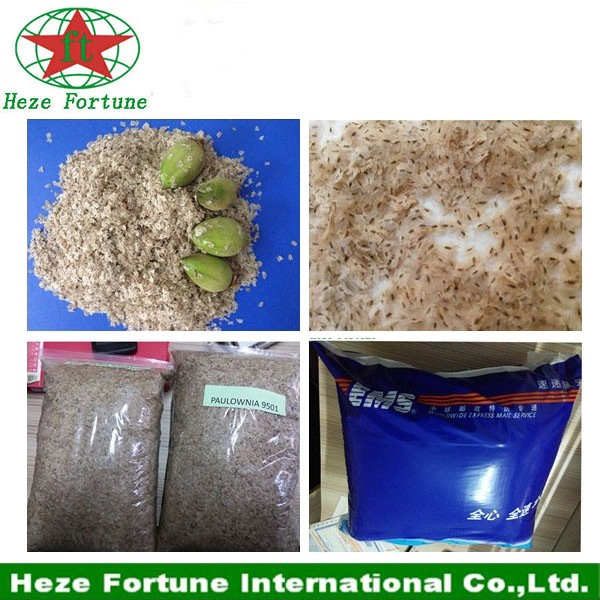

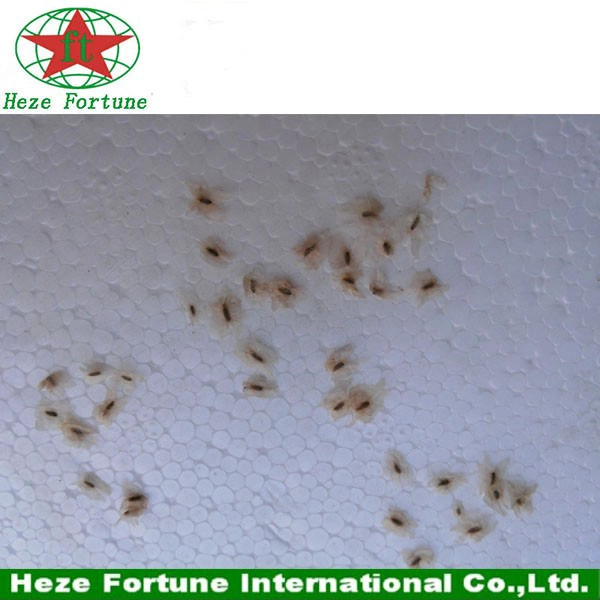
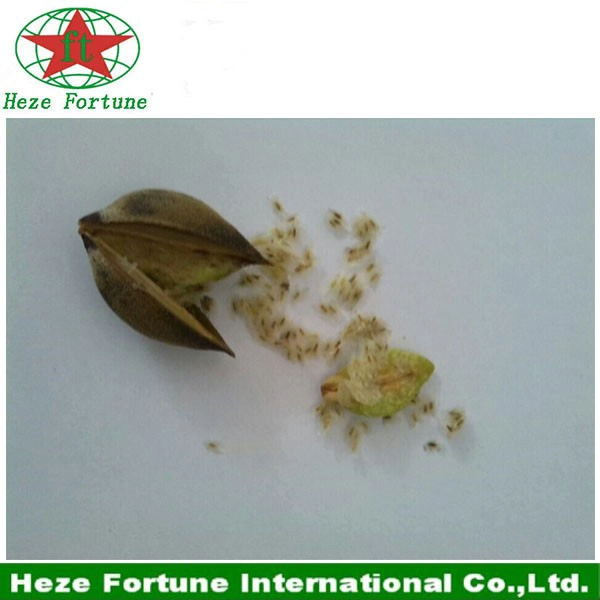
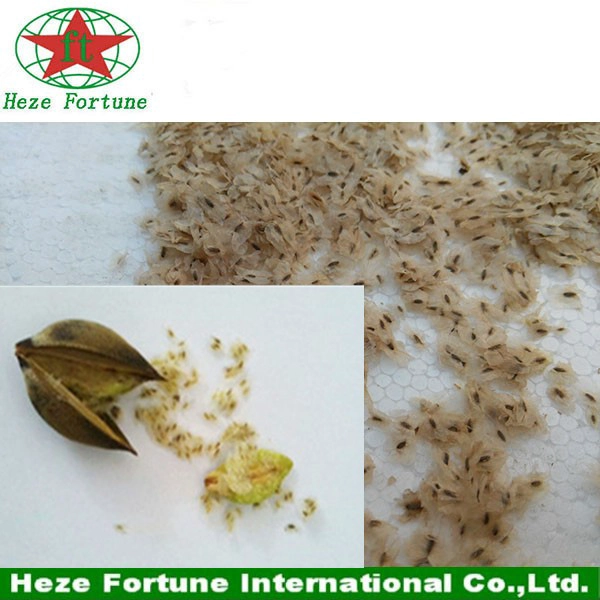

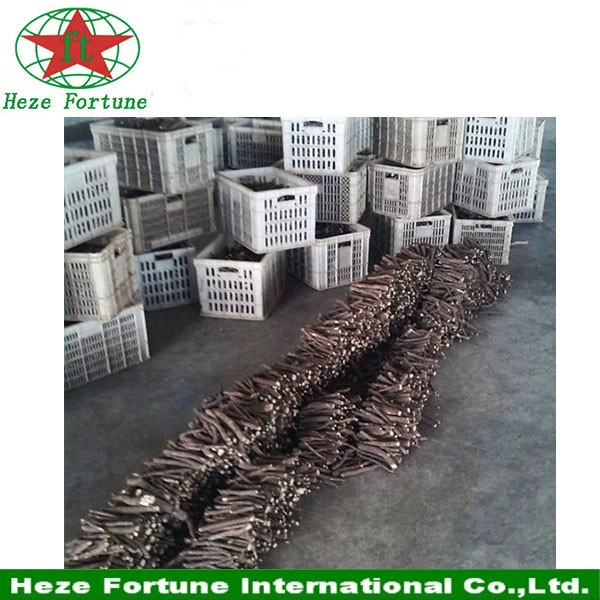
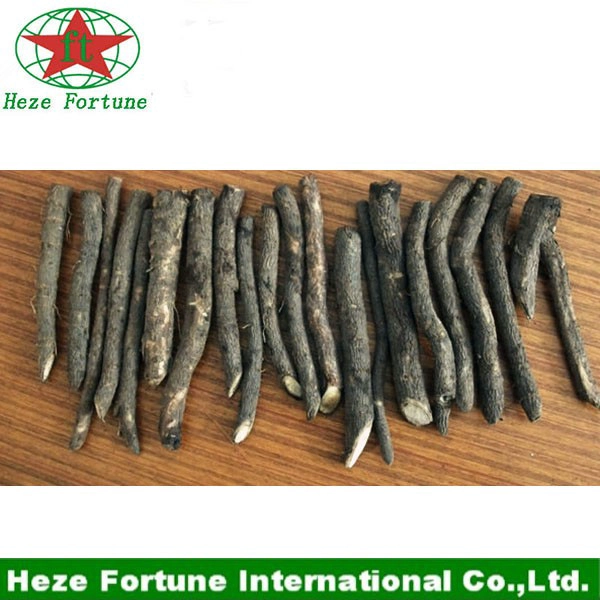
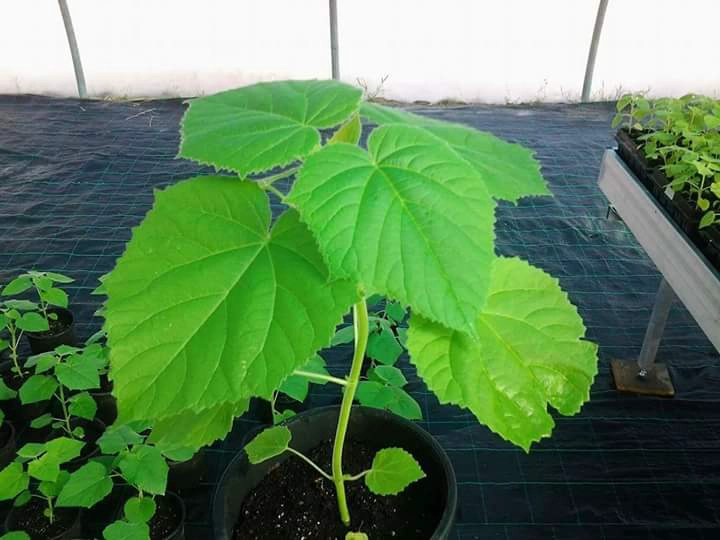
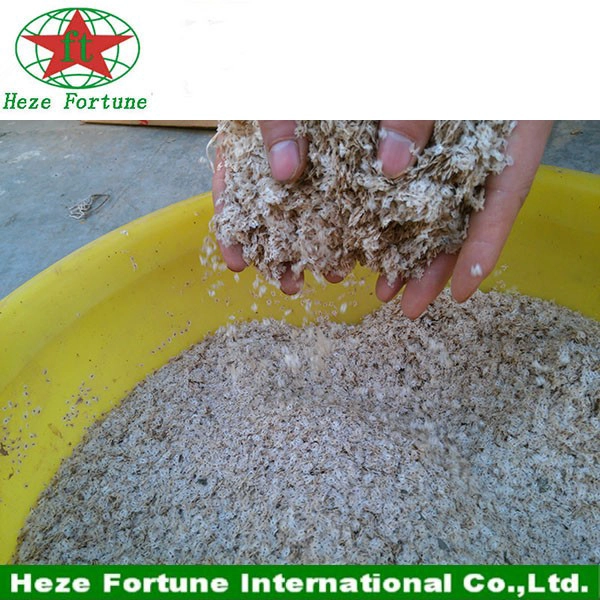
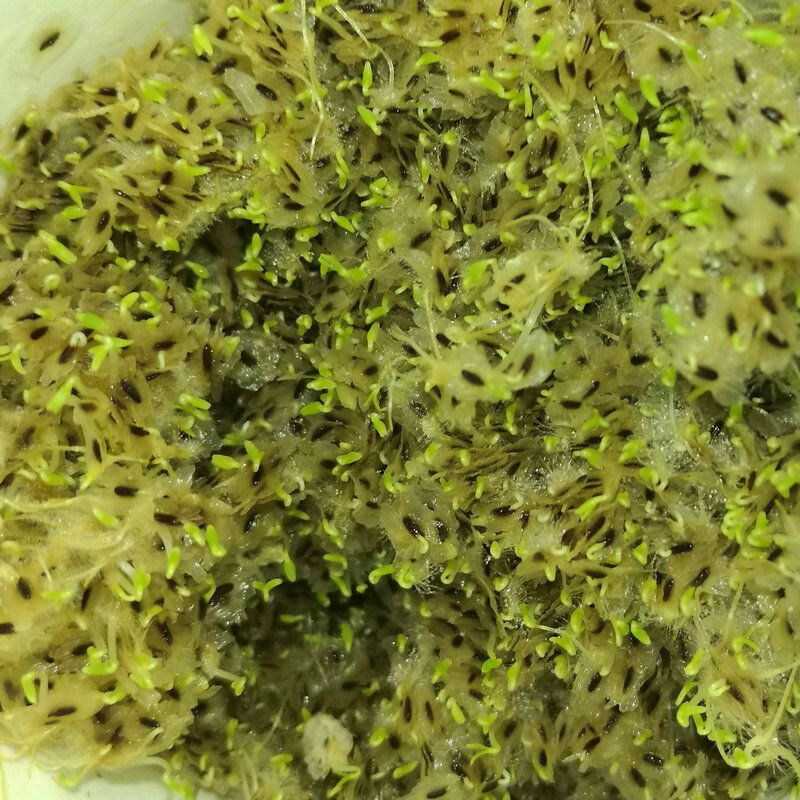
2026 high survive rate fresh paulownia seeds
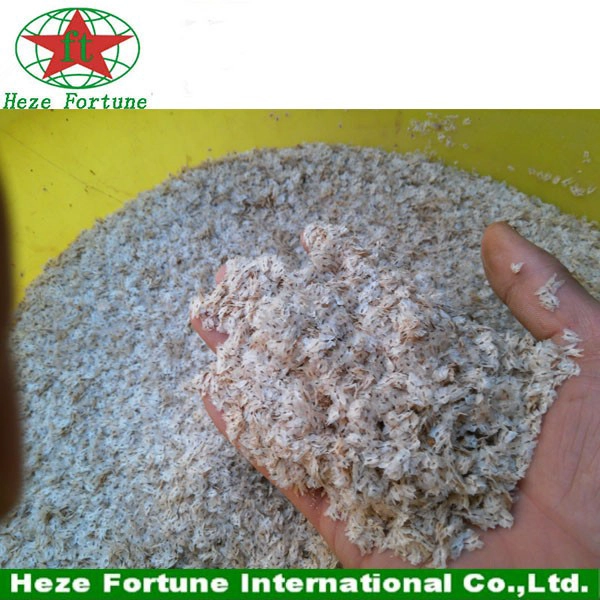
- High-survival-rate paulownia seeds for planting.
- With a 99% survive rate and adaptability to various conditions like temperatures from -25°C to +45°C.
- And elevations up to 2000m.
- Certified with phytosanitary and Certificate of Origin (C O) ensuring quality, regulatory compliance, and market access.
Paulownia (Kiri) from Shandong, China — Varieties, Planting Guide and Supply Information
By Anna Chen | Paulownia Specialist, Shandong, China
Paulownia — also known internationally as Kiri, Empress Tree or Royal Paulownia — is one of the fastest-growing hardwood trees in the world. With the right variety and the right planting method, a paulownia plantation can produce commercial timber in a fraction of the time required by traditional hardwoods. This article explains the paulownia varieties we supply from Shandong Province, China, how to plant paulownia correctly, and how to contact us for paulownia seeds, paulownia seedlings, paulownia root cuttings and paulownia timber.
Why Grow Paulownia?
Paulownia wood is light, strong, warp-resistant and highly valued for furniture, plywood, musical instruments, door cores, coffins and lightweight panels. Paulownia plantations also deliver additional benefits:
- Fast growth — under good management, young paulownia trees can grow 2–4 metres per year in the first years.
- Early harvest — paulownia timber can often be harvested within 6–10 years, depending on variety, climate and silvicultural treatment.
- Wide adaptability — paulownia grows on a broad range of soils, from sandy loam to clay loam, and tolerates a wide range of rainfall levels.
- Multiple uses — paulownia is also grown for biomass, forage leaf meal, honey production, ornamental landscaping and land rehabilitation.
- Carbon and soil benefits — deep paulownia roots improve soil structure, and the fast-growing canopy sequesters carbon quickly.
Because of these advantages, demand for paulownia seeds, paulownia root cuttings and paulownia seedlings has grown strongly in Brazil, Europe, Central Asia, the Middle East and Southeast Asia.
Paulownia Varieties We Supply
Different markets need different paulownia varieties. We supply several proven paulownia types from Shandong, and we can advise which paulownia variety fits your climate, soil and end product.
1. Paulownia Shan Tong (Shan Tong Hybrid)
Shan Tong is a widely planted Chinese paulownia hybrid (Paulownia fortunei × Paulownia tomentosa). It combines fast growth with good cold tolerance and strong disease resistance, which makes it one of the most requested paulownia varieties for plantation projects. Shan Tong paulownia produces a straight trunk and good-quality light timber, and it performs well in both warm temperate and subtropical conditions.
2. Paulownia Hybrid 9501
Paulownia 9501 is another high-performance Chinese paulownia hybrid, selected for vigorous growth, trunk straightness and timber quality. It is a popular paulownia choice for commercial plantations and for intercropping with agricultural crops in the first years.
3. Paulownia Lankao (Lankao Paulownia)
Lankao paulownia originates from Lankao County, Henan Province, near our growing region in Shandong. It is a classic, well-adapted paulownia variety with reliable establishment from root cuttings and good tolerance of dry spring conditions.
4. Paulownia tomentosa (Royal Paulownia / Kiri)
The classic ornamental and timber paulownia, known for its large violet foxglove-like flowers in spring and its very fast early growth. Paulownia tomentosa is widely used in landscaping, parks, windbreaks and biomass plantings.
5. Paulownia fortunei (White-flower Paulownia)
Paulownia fortunei is a warm-climate paulownia with white to pale lilac flowers, excellent timber quality and strong coppicing ability. It suits subtropical and tropical highland areas, including much of Brazil.
6. Paulownia elongata
Paulownia elongata is a fast-growing paulownia with a narrow crown, often used for high-density biomass and agroforestry plantings.
Which paulownia form do you need?
We supply paulownia in three forms, so you can choose the paulownia material that fits your project and your import regulations:
- Paulownia seeds — economical for large-scale nurseries; requires stratification and careful nursery management.
- Paulownia root cuttings — the standard commercial method for paulownia; fast, uniform and reliable establishment.
- Paulownia seedlings / potted plants — ready to transplant, ideal for landscaping and smaller plantings.
How to Plant Paulownia: A Practical Guide
Planting paulownia correctly in the first season determines the growth rate for the whole rotation. The steps below apply to paulownia root cuttings and paulownia seedlings.
1. Site and climate
Paulownia needs full sun. Choose open ground with at least six hours of direct light. Paulownia tolerates a wide climate range, but avoid sites with prolonged waterlogging, severe frost pockets or strong persistent wind. Most paulownia varieties grow well between 30°N and 40°N, and warm-climate paulownia such as Paulownia fortunei suits subtropical regions such as Brazil.
2. Soil preparation
Paulownia prefers deep, well-drained soil with a pH of 5.5–7.5. Plough to 30–40 cm, remove weeds and compacted layers, and add organic matter where soil is poor. On sloping land, plant paulownia along the contour to reduce erosion.
3. Spacing
Spacing depends on your paulownia product:
- Timber plantations: 4 × 4 m or 5 × 5 m (about 400–625 paulownia trees per hectare).
- Agroforestry / intercropping: 5 × 5 m to 6 × 6 m, with crops between paulownia rows for the first 2–3 years.
- Biomass plantations: 2 × 2 m to 3 × 3 m.
- Ornamental planting: 5 × 5 m or wider, to show the paulownia crown and flowers.
4. Planting root cuttings
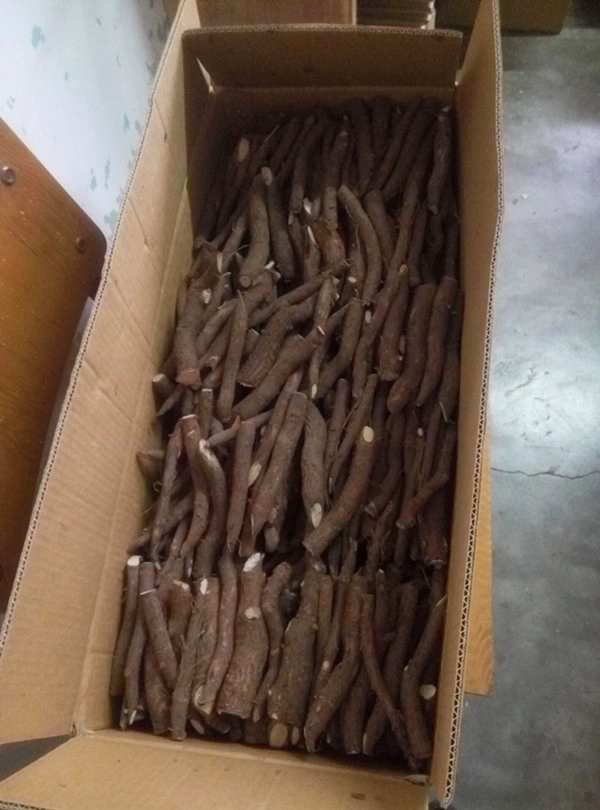
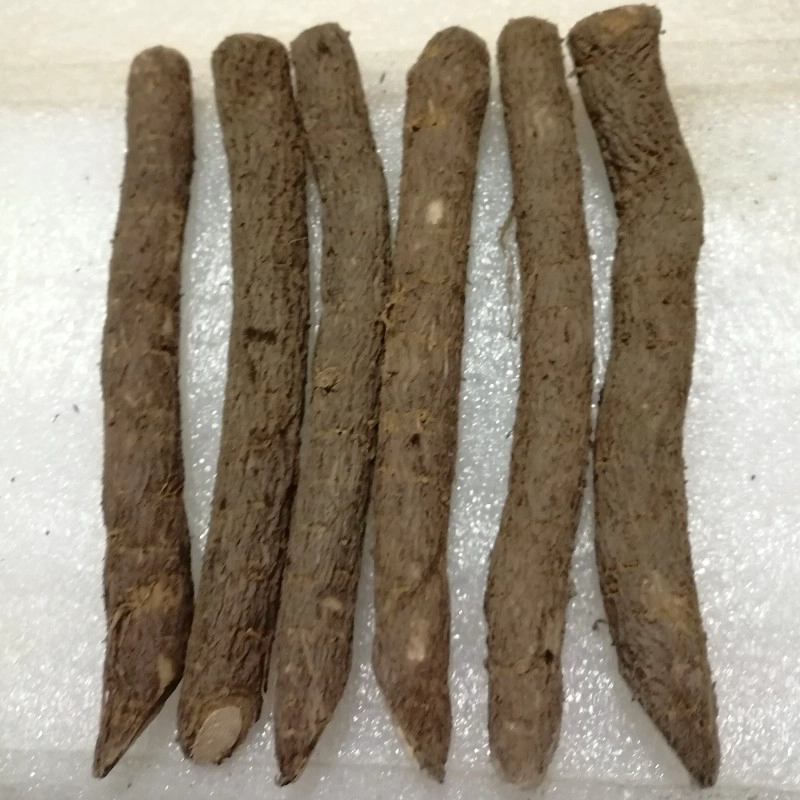
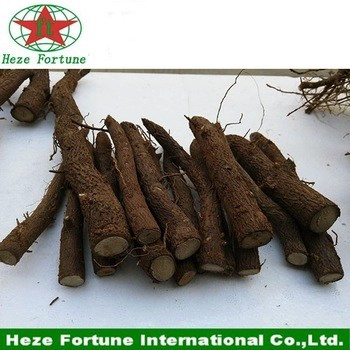
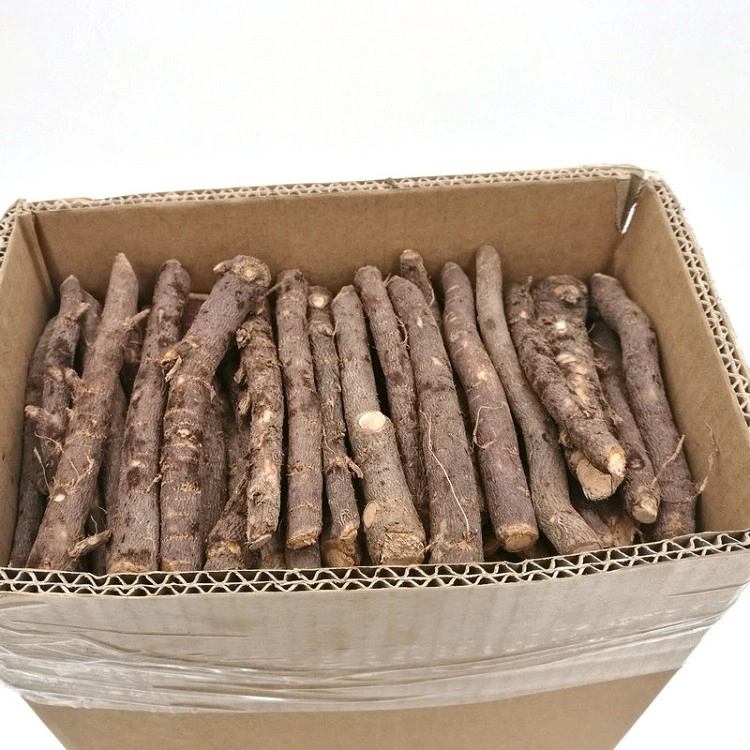
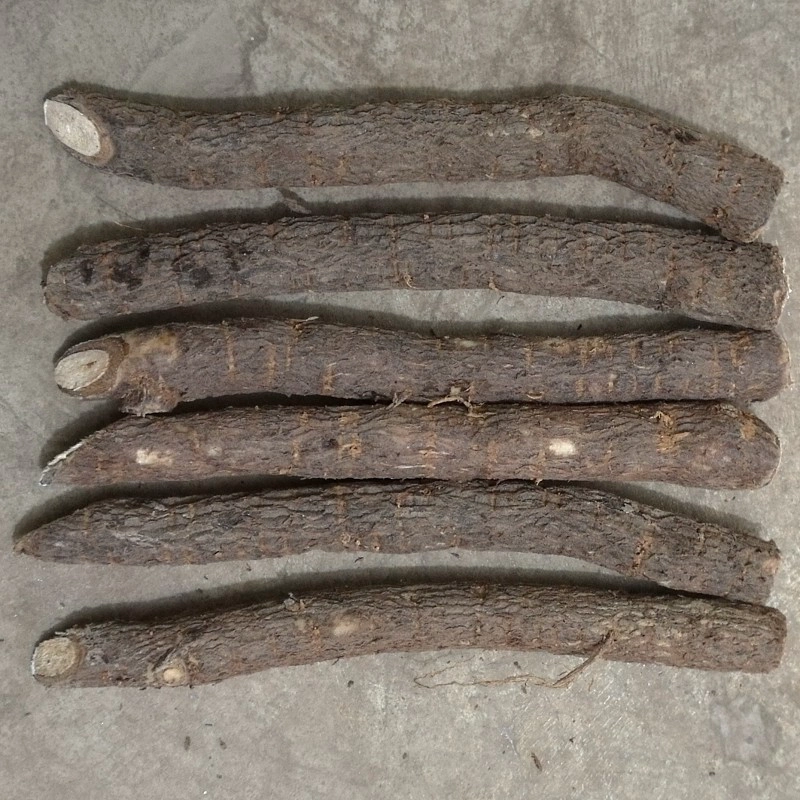
Paulownia root cuttings are normally 15–25 cm long and 1–2 cm thick. Plant them vertically or at a slight angle, with the top 2–3 cm below the soil surface, in spring once soil temperature reaches about 15 °C. Firm the soil, then water immediately. Keep the bed moist — not saturated — until shoots emerge, usually within 3–6 weeks.
5. Planting seedlings
Plant paulownia seedlings when the risk of frost has passed. Dig a hole wider than the root ball, set the paulownia seedling at the same depth as in the nursery, backfill, firm and water generously. Apply mulch around the base, keeping it clear of the stem.
6. Watering and fertilisation
Young paulownia needs consistent moisture in the first two seasons. Once established, paulownia is reasonably drought tolerant. Apply a balanced NPK fertiliser in early spring, and top-dress with compost annually. Avoid excessive nitrogen, which makes paulownia stems soft and prone to wind damage.
7. Pruning and trunk management
For timber paulownia, the goal is a single straight trunk with a clean butt log:
- Remove competing leaders in the first year to keep one dominant paulownia stem.
- Prune lower branches gradually from year two to lift the clear bole.
- Cut back any coppice shoots that appear on the lower trunk.
- In frost-prone areas, cut paulownia back to the ground in the first winter (coppicing) so it re-sprouts strongly and forms a straighter trunk in the second year.
8. Pests, diseases and rotation
Paulownia is generally robust. Watch for root rot on wet sites and for leaf-feeding insects in the first flush. Keep paulownia plantations weed-free in years one and two. Plan a rotation of 6–10 years for timber paulownia, and replant with fresh paulownia root cuttings or seedlings after harvest — paulownia also re-sprouts readily from stumps if you choose coppice management.
What We Provide
We are a Shandong-based paulownia supplier working with growers, nurseries, plantation investors and importers worldwide. Our paulownia programme includes:
- Paulownia seeds (Paulownia tomentosa, Paulownia fortunei, Paulownia elongata and hybrids)
- Paulownia root cuttings — graded, disease-free, packed for export
- Paulownia seedlings and potted paulownia plants
- Paulownia timber, sawn boards and paulownia wood panels
- Variety selection advice for your climate zone, plus a planting plan for your paulownia plantation
We ship paulownia planting material with full phytosanitary certification and can advise on the import requirements for your country, including Brazil.
Contact
For paulownia prices, paulownia variety availability, minimum order quantities and shipping schedules, please contact us directly:
Anna Chen Paulownia Supply — Shandong, China Phone / WhatsApp: +86 182 6509 6516
Tell us your paulownia variety, whether you need paulownia seeds, root cuttings or seedlings, the quantity, and your destination city or port — we will send you a full quotation with price, freight and delivery time.
Paulownia grows fast. Let's start your paulownia plantation this season.
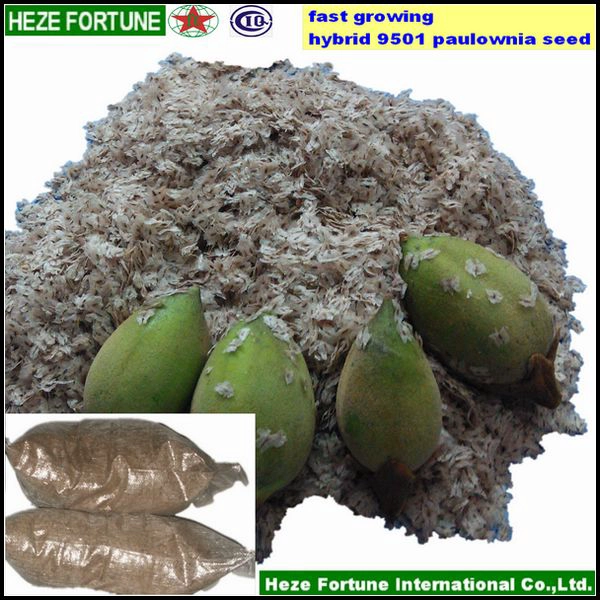
Paulownia seeds
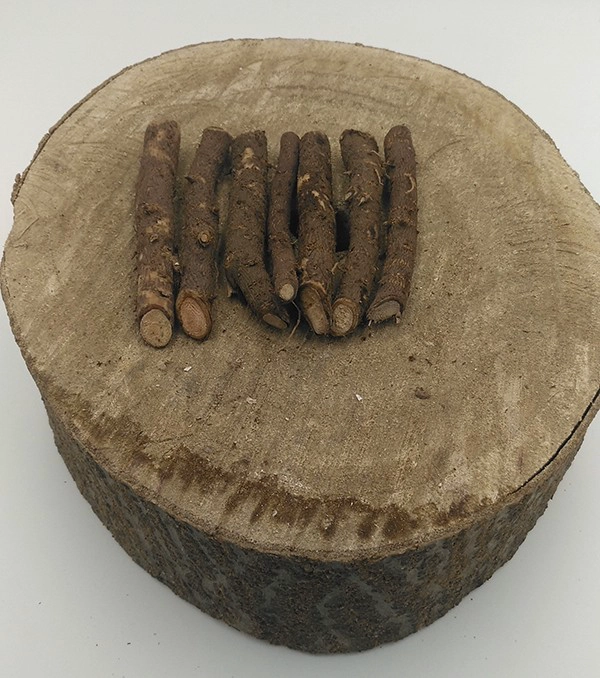
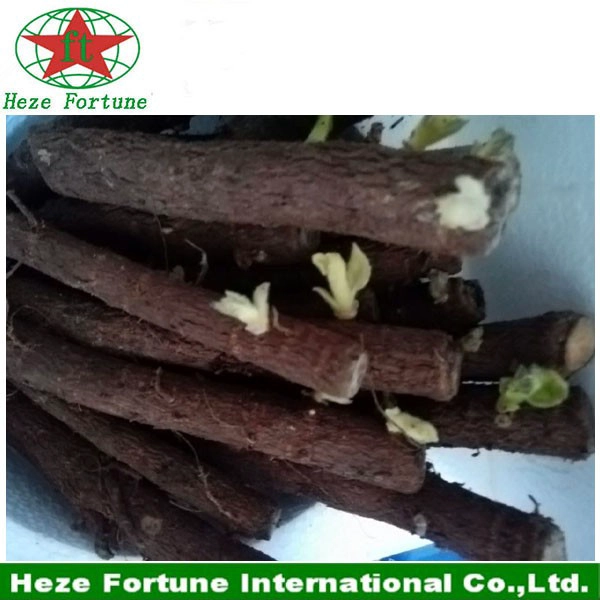
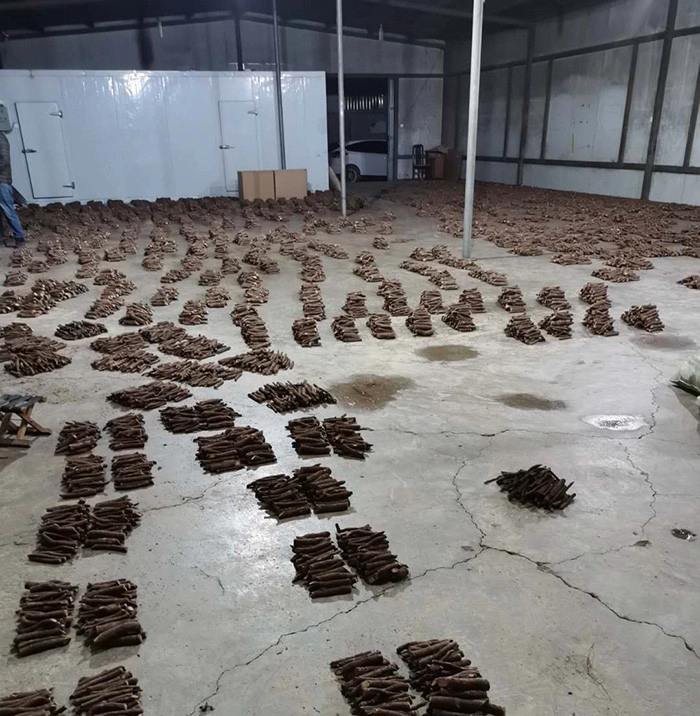
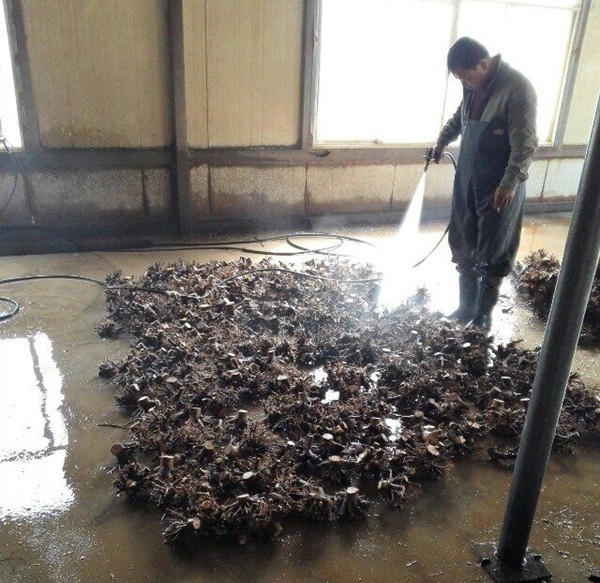
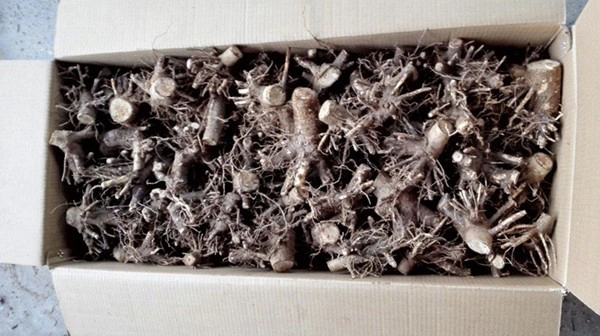
These are paulownia roots.
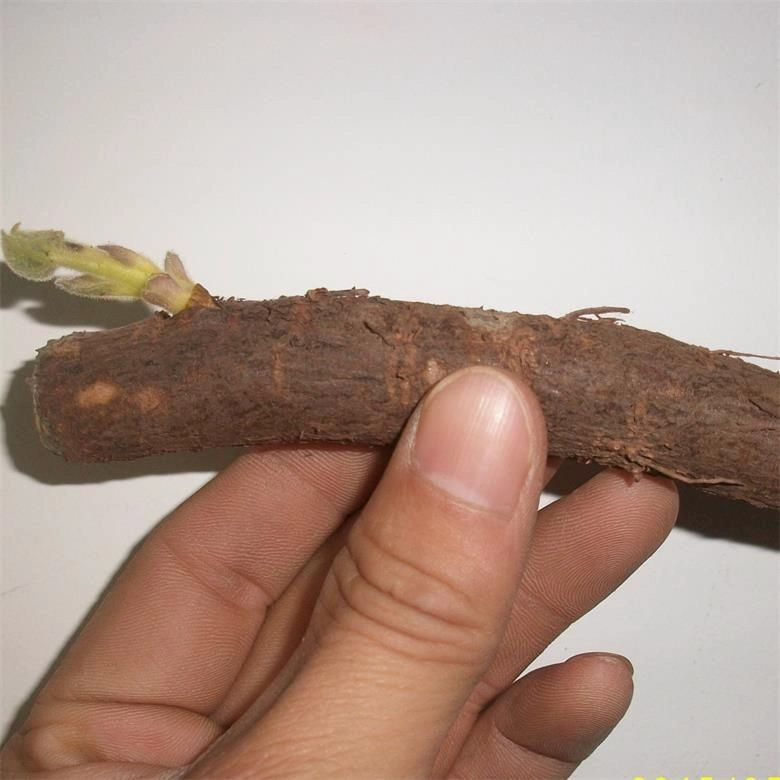
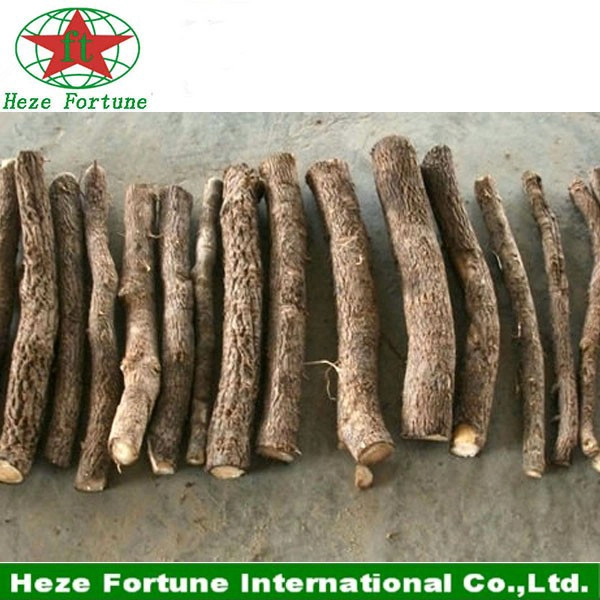
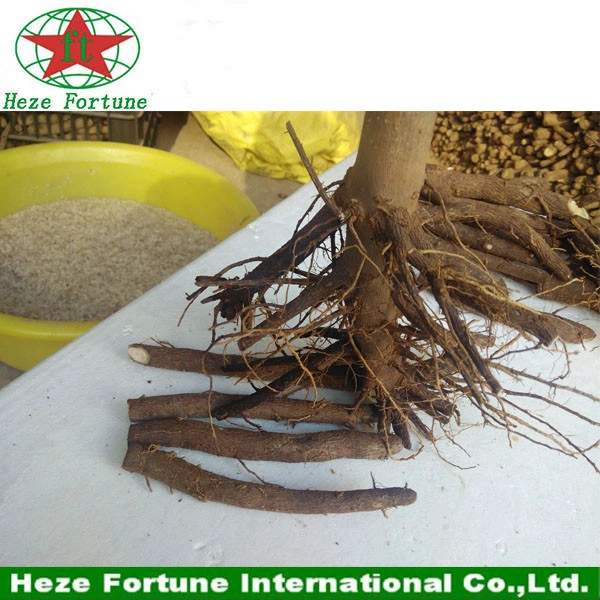
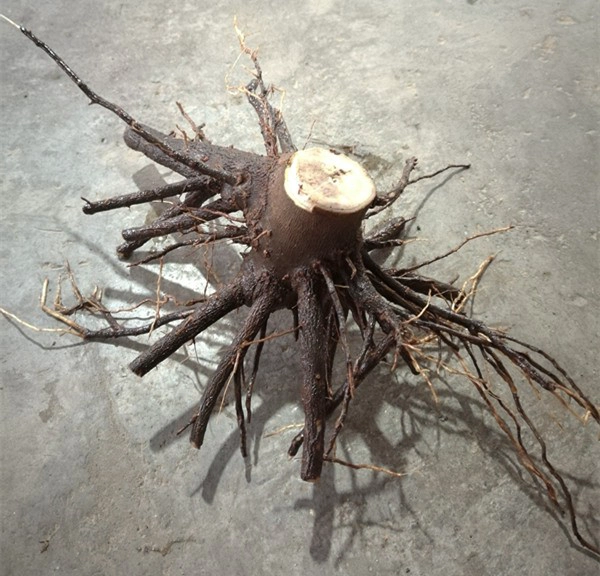
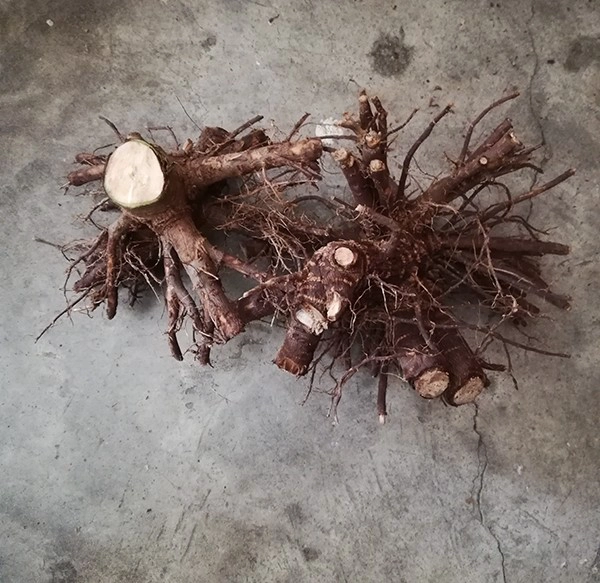
Below are paulownia stumps:
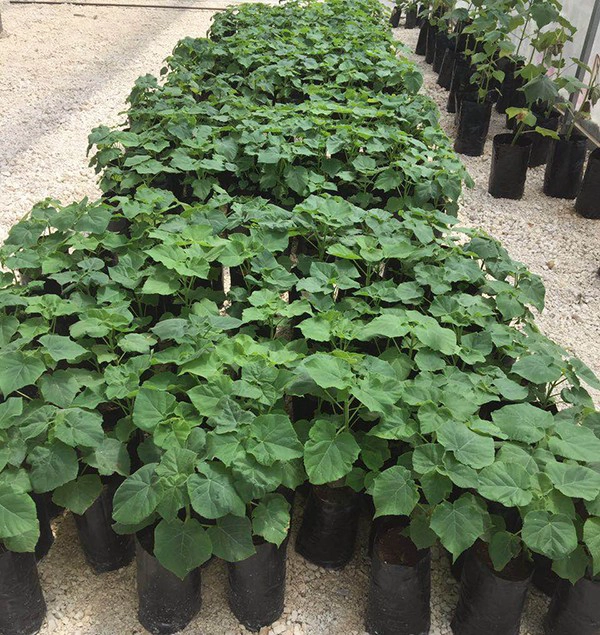
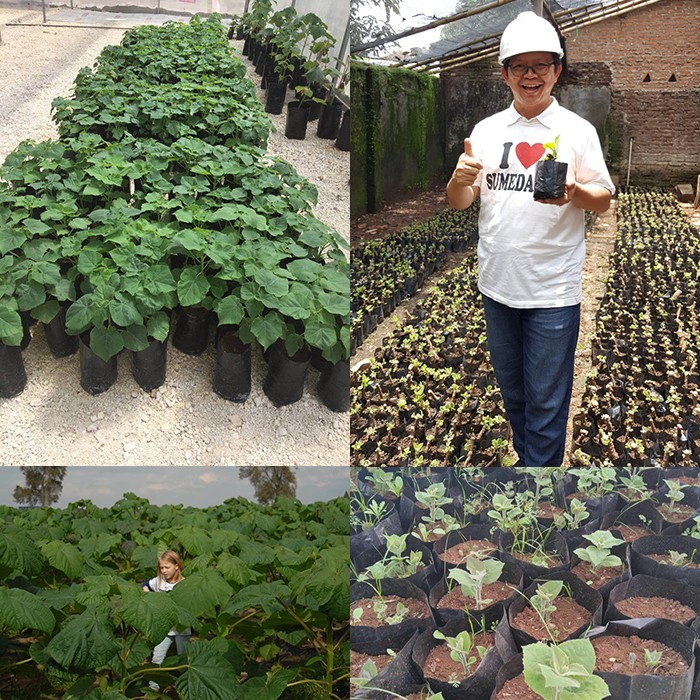
Below are feedbacks from our customers from different countries.
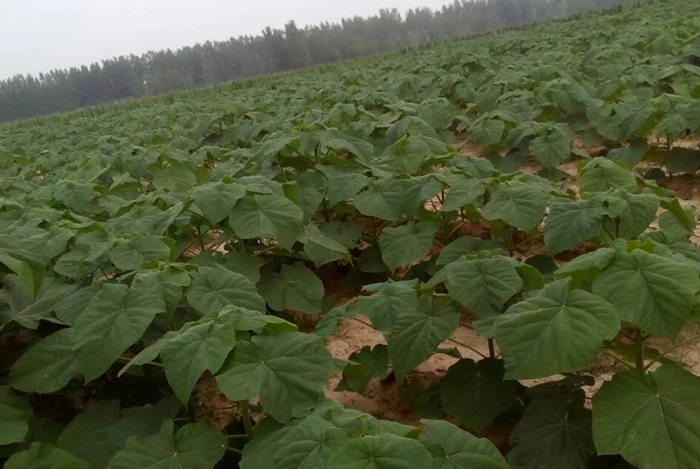
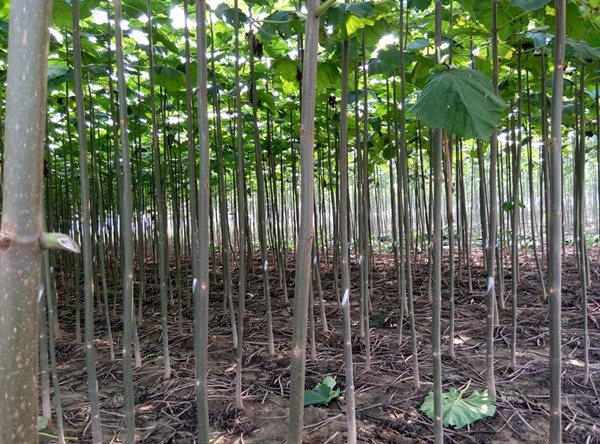
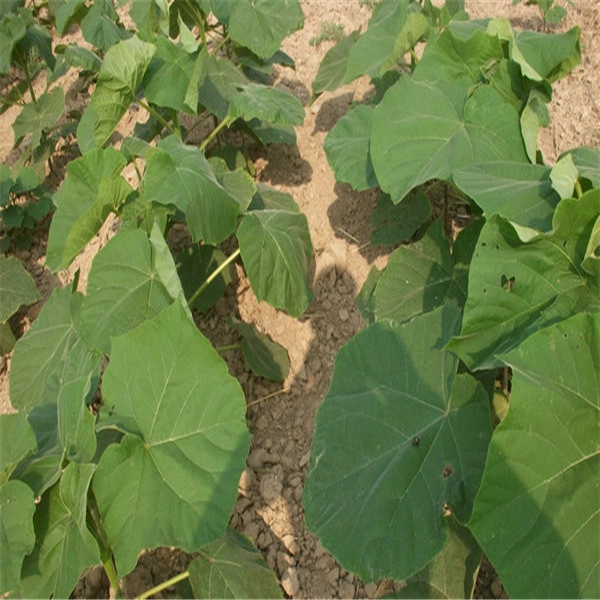
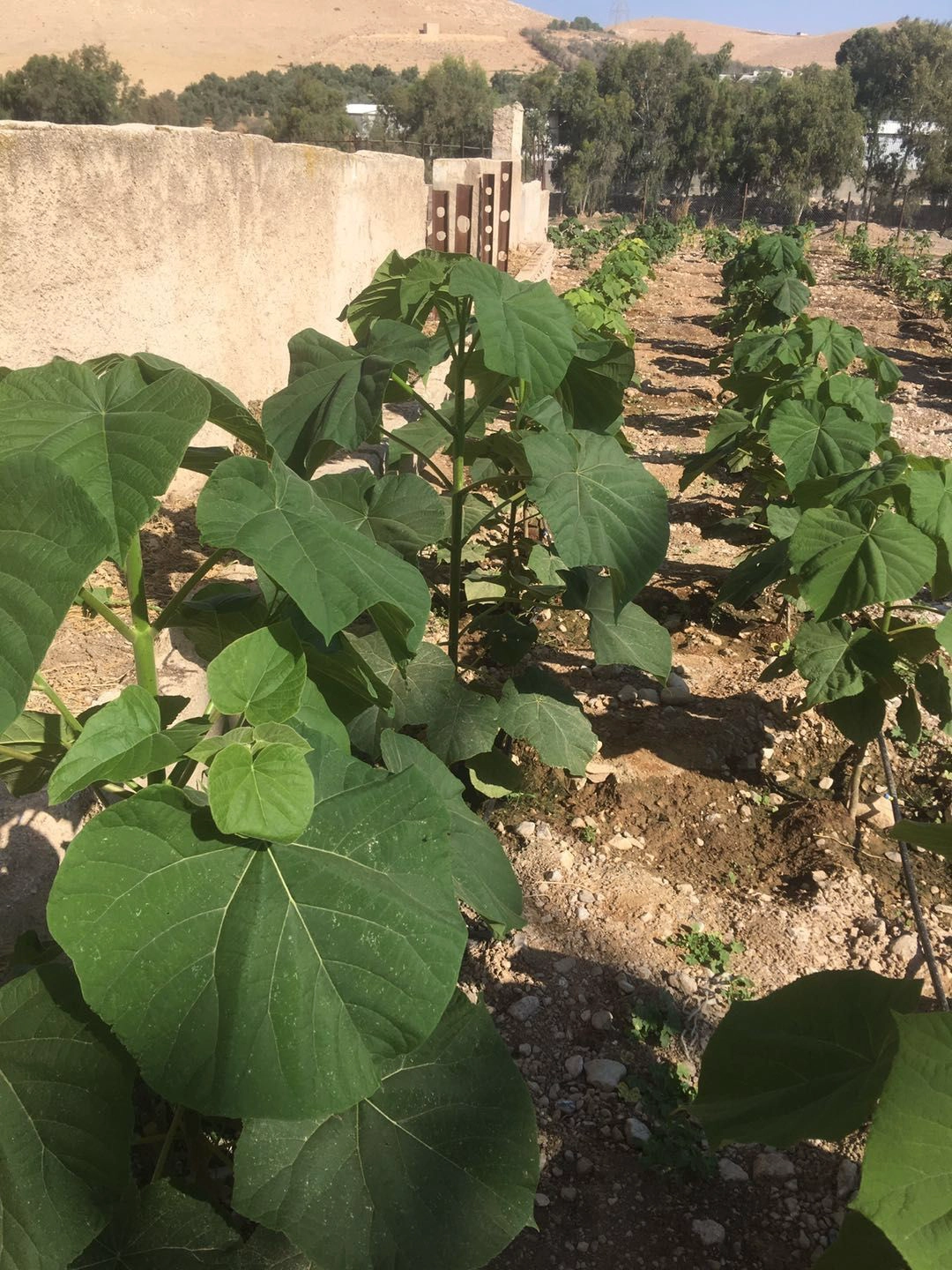
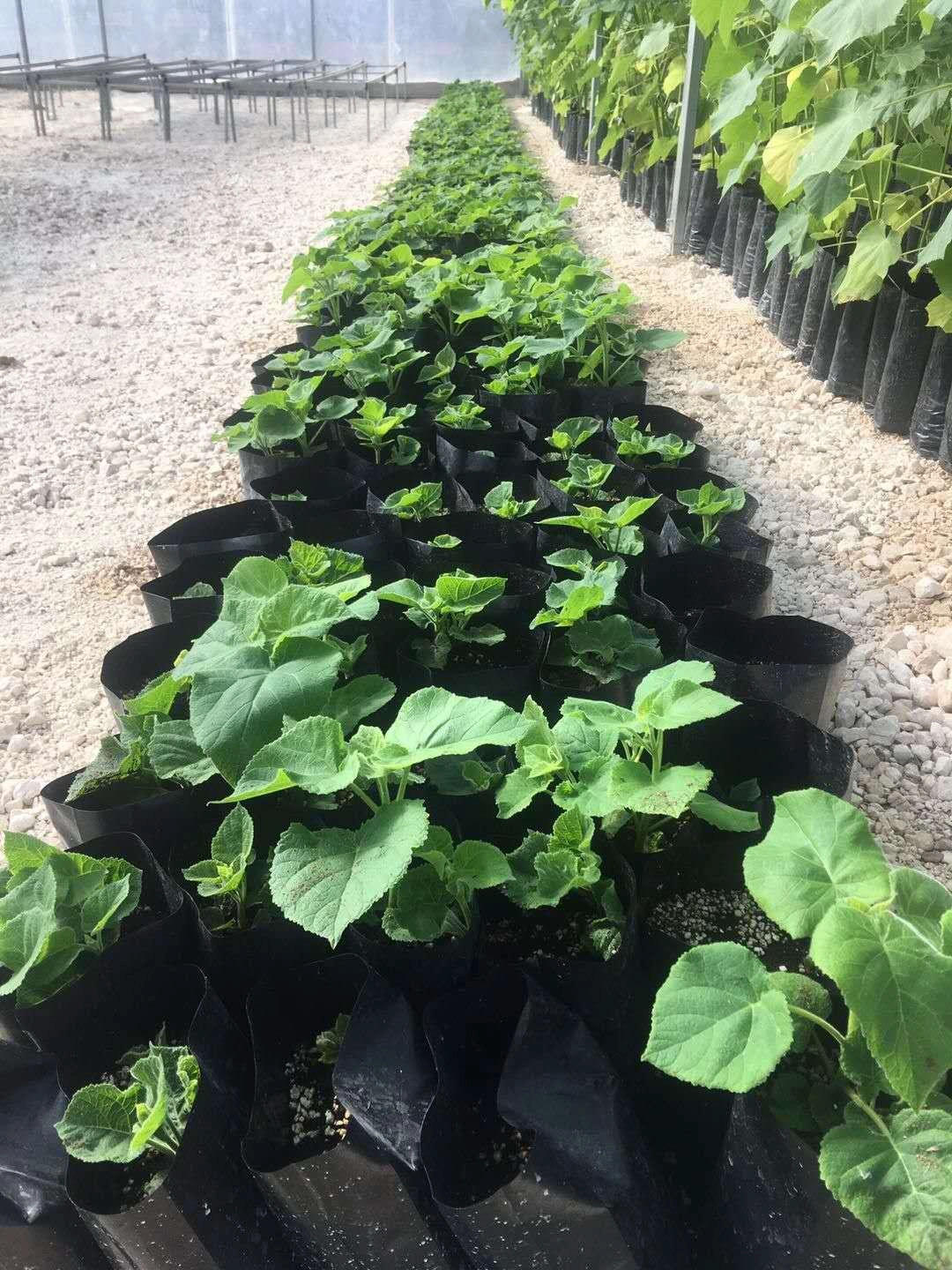
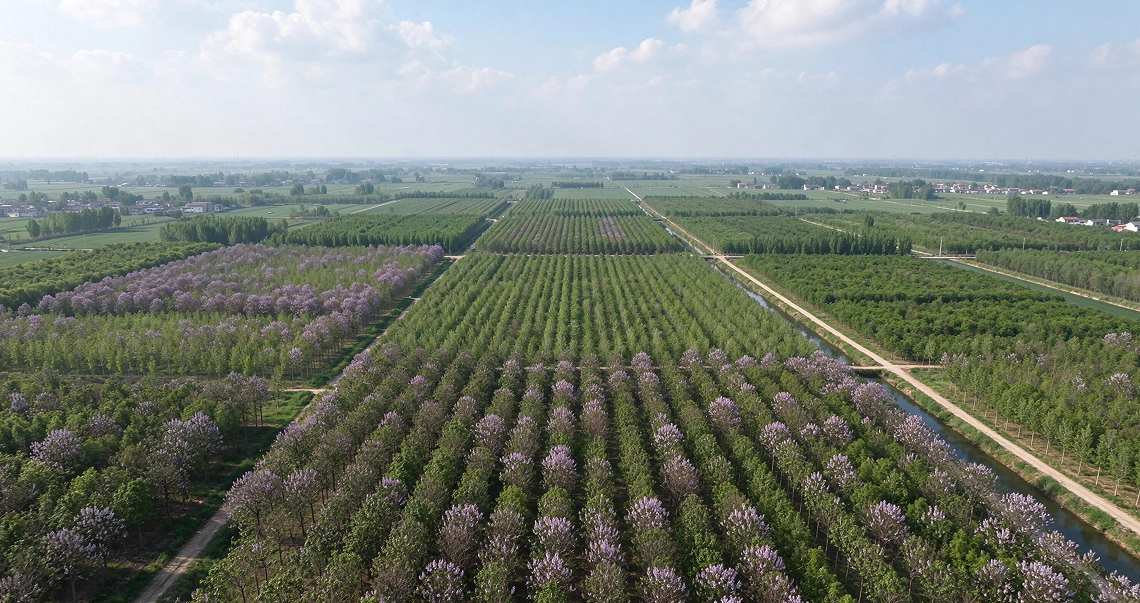
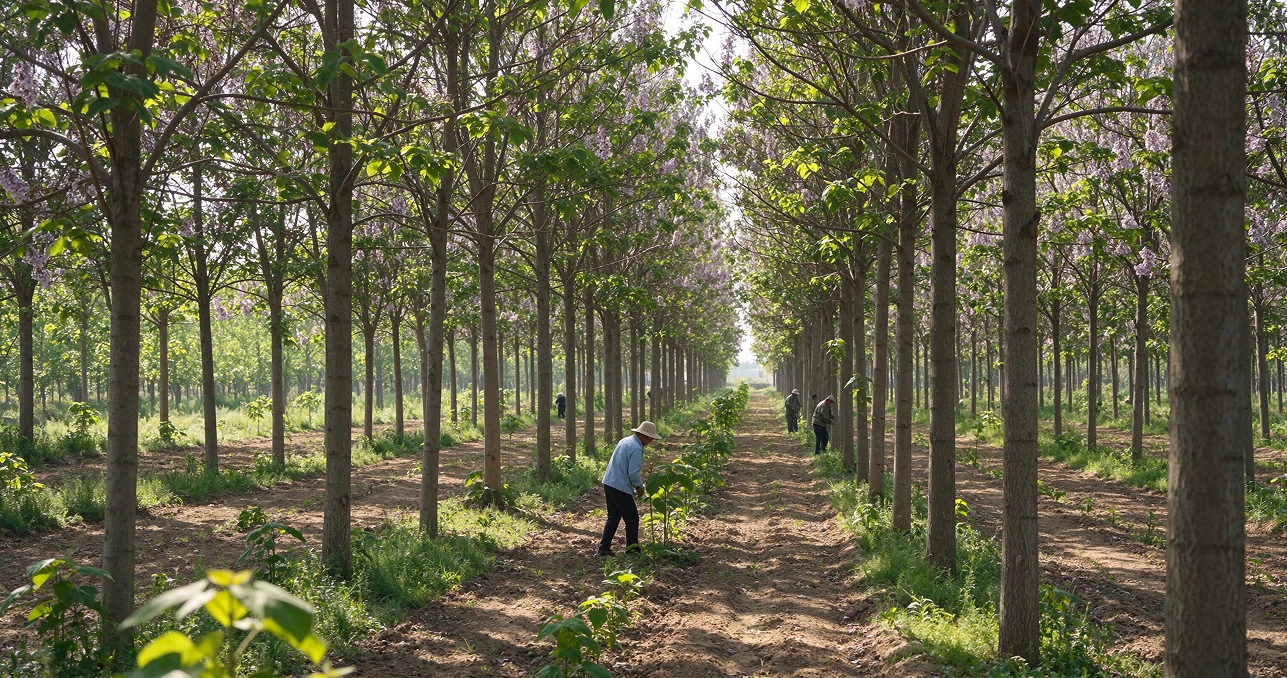
This is our plantation
- Other Products